Draft notebook with oblique angle binding and artsy ins style salt series cover, student sketchbook or project journal in A5 or B5 size with 60 sheets of paper


Draft notebook with oblique angle binding and artsy ins style salt series cover, student sketchbook or project journal in A5 or B5 size with 60 sheets of paper
Oblique angle binding draft notebook in A5 or B5 size with artsy salt series cover
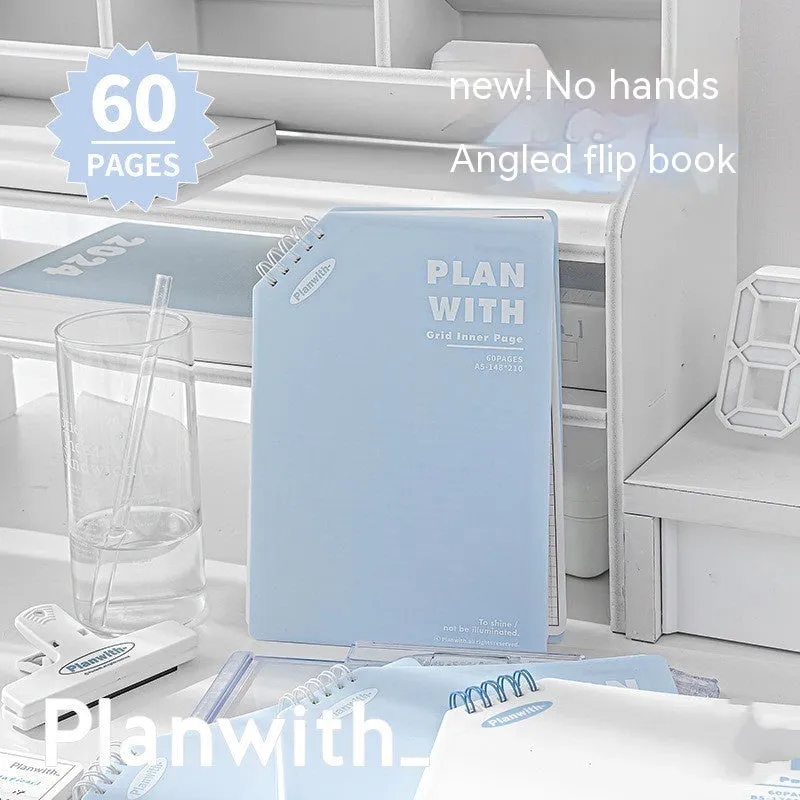
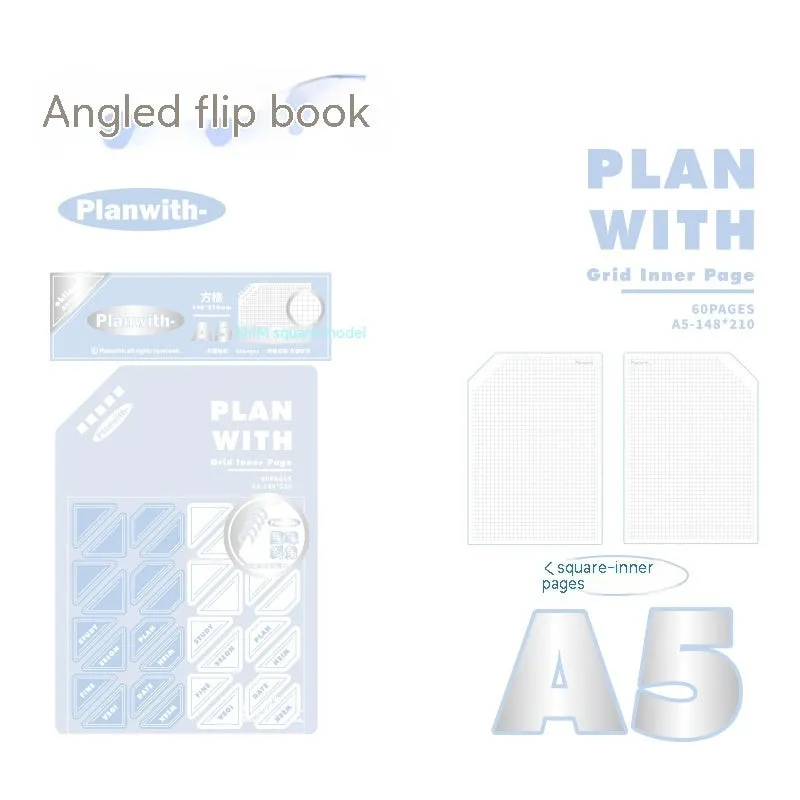
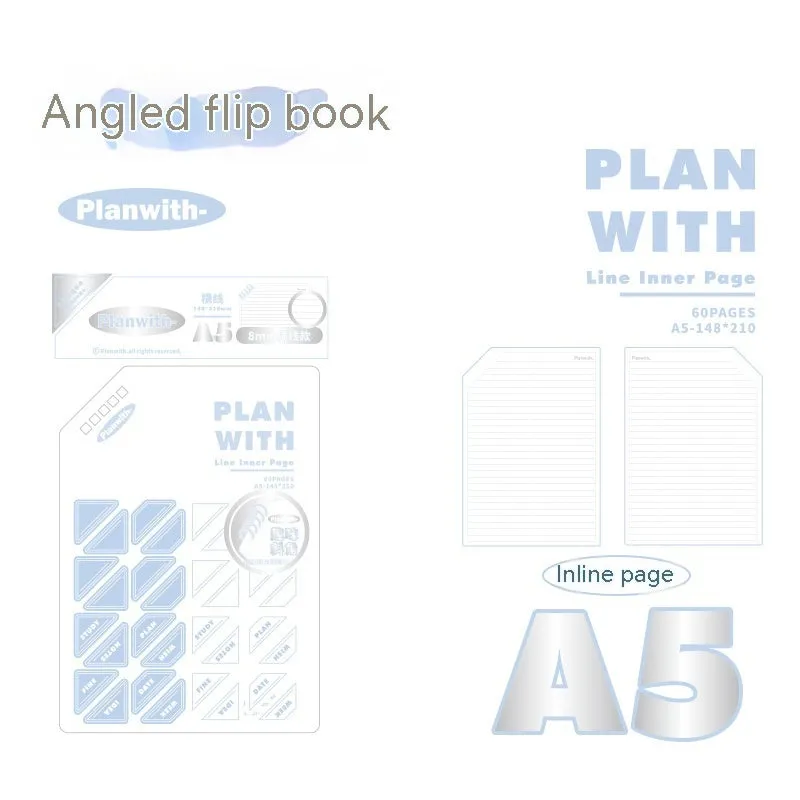
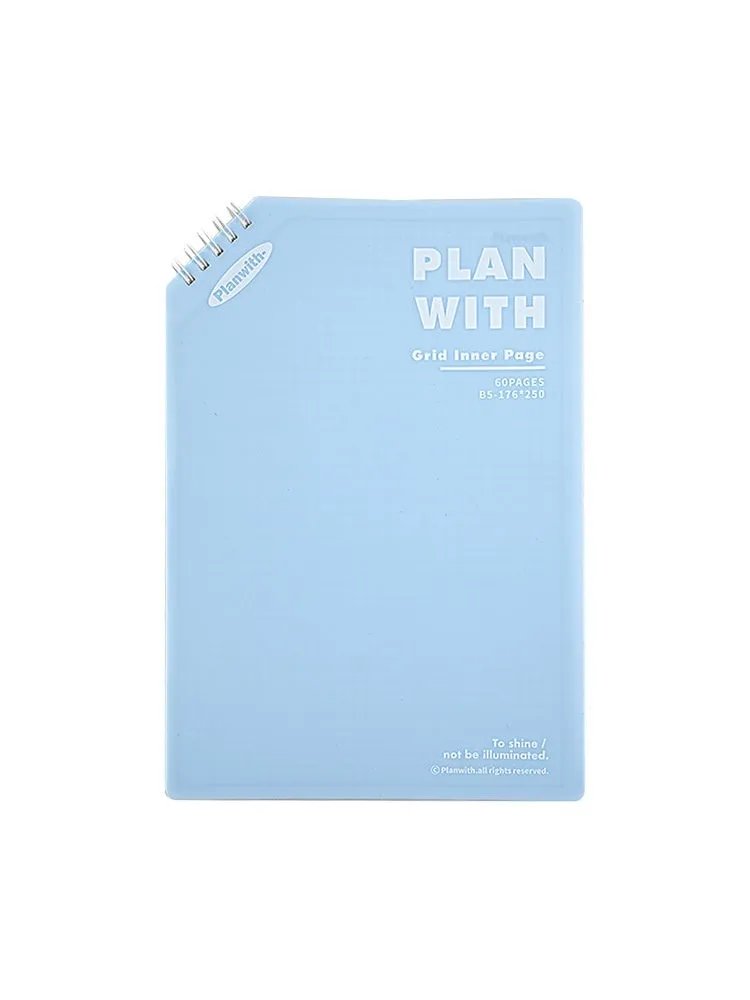
This student draft notebook uses an oblique angle binding method, which allows the pages to lie flatter when the book is open. This can make it more practical for sketching, taking continuous notes, or drafting project ideas where you need to see the full spread. The notebook is part of an 'artsy ins style salt series', giving it a distinct cover design that sets it apart from plain workbooks. It is offered in two common notebook sizes—A5 and B5—letting you select the format that best fits your bag, desk, or workflow. With 60 sheets of paper bound inside, it provides a substantial number of pages for a single project or term of notes without being overly bulky.
Features and Construction
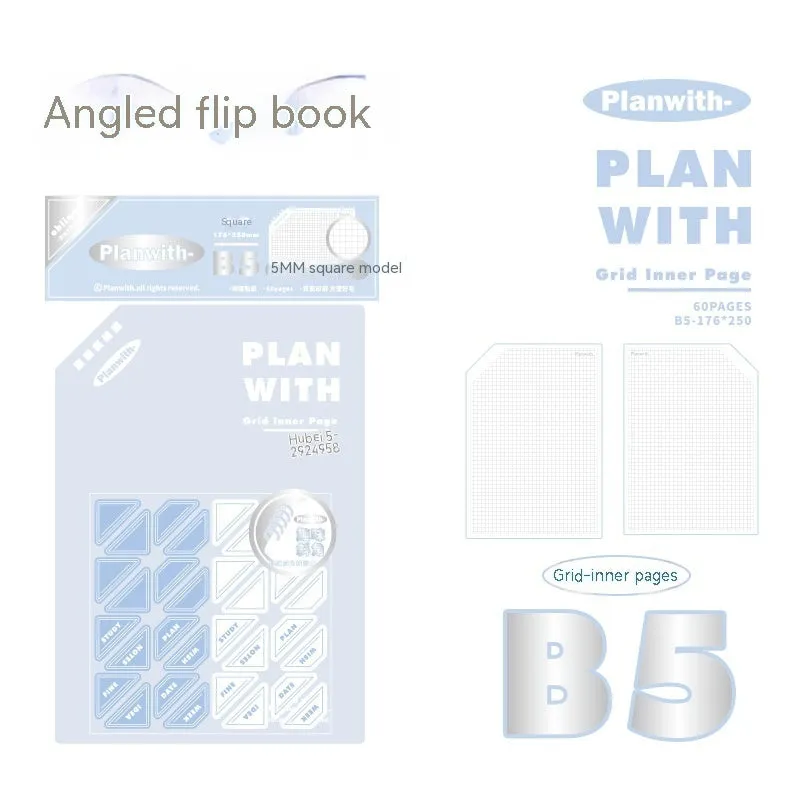
The notebook's construction focuses on the oblique binding and the available aesthetic choices. These elements define its practical use and visual character.
Material and Build
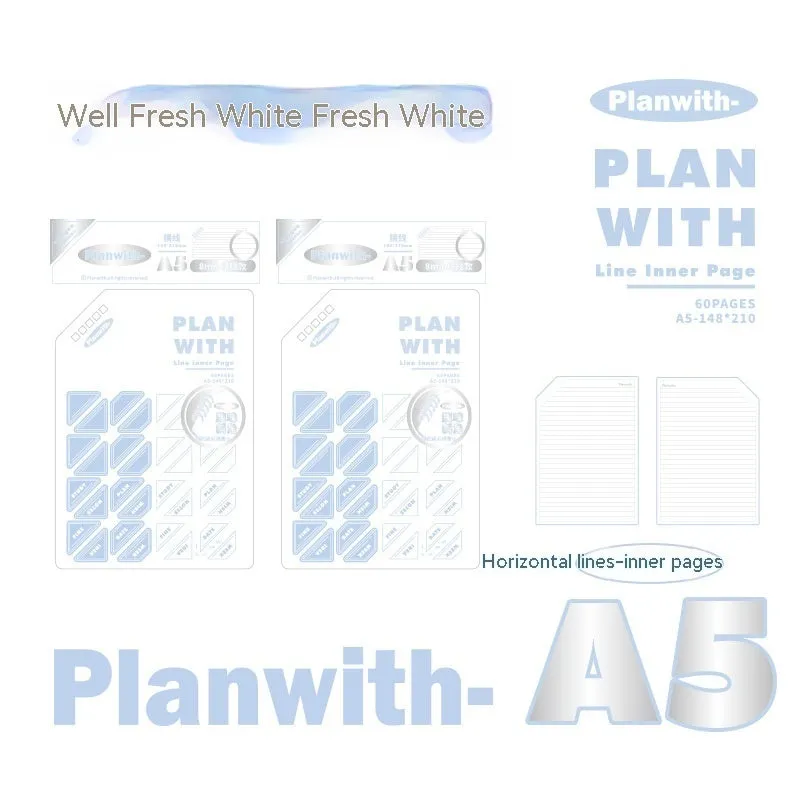
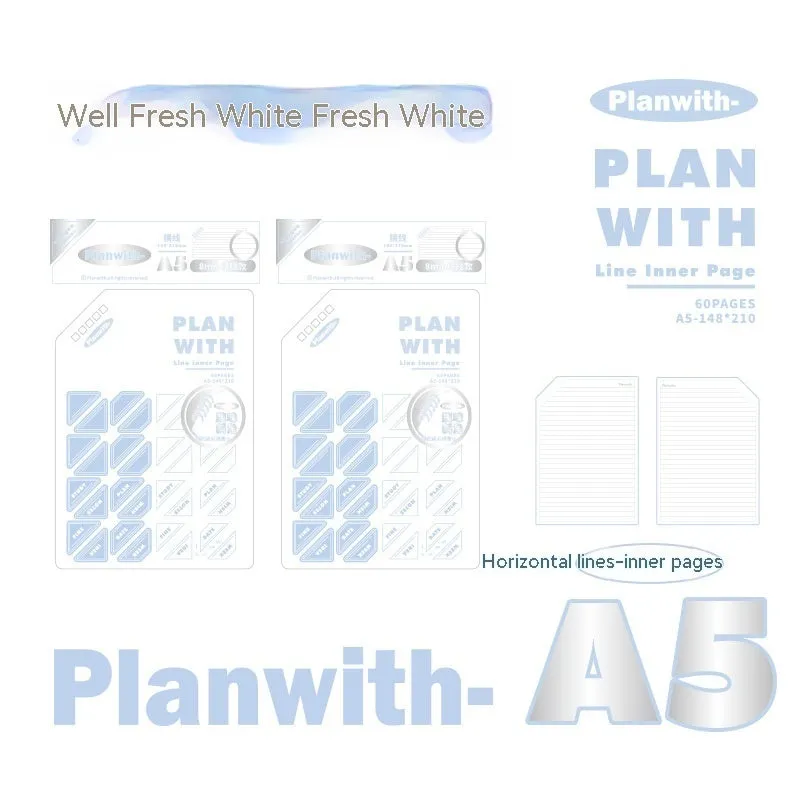
The core component is 60 sheets of paper, bound using an oblique angle technique. This binding style is the key structural feature. The cover is offered in two distinct styles: a simple white cover in a horizontal orientation, or an alternative plaid pattern on a blue background. The source does not specify the exact weight or finish of the internal paper, nor the material of the cover (such as cardstock or polypropylene).
Size and Practical Fit
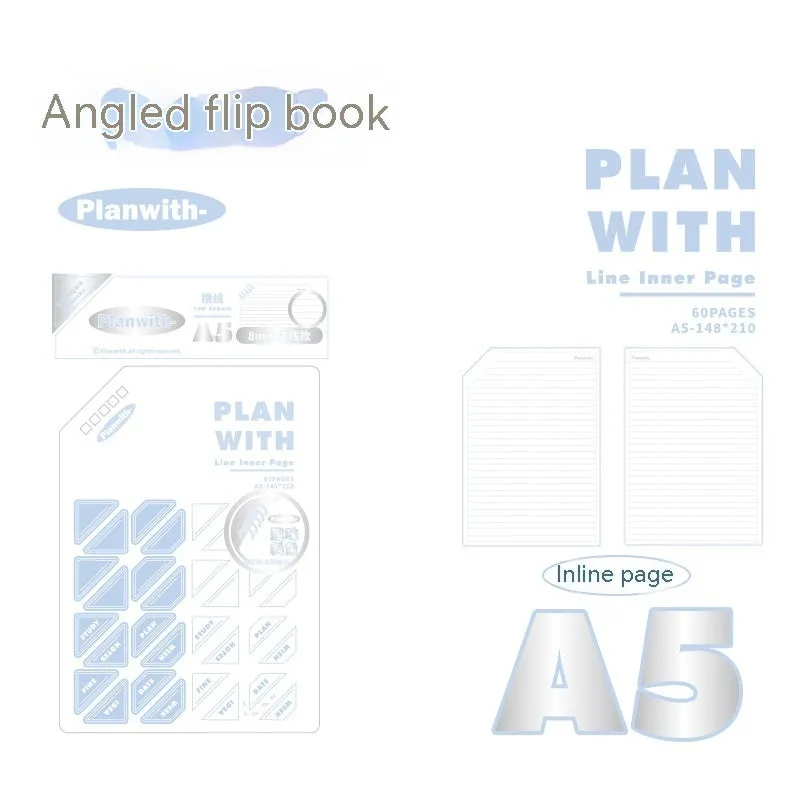
You can choose between A5 and B5 international standard sizes. An A5 notebook (typically around 148 x 210 mm) is a portable size that fits easily into most bags. A B5 notebook (typically around 176 x 250 mm) offers more writing area per page and is well-suited for desk-based work or subjects that require more space per note. Selecting the right size allows you to match the notebook to your primary carrying method and usage pattern.
Uses and Placement
As a draft notebook, it is intended for preliminary work, practice, and idea generation rather than final presentation. Its design supports a range of student and casual creative activities.
Event or Professional Use
For students, it serves as a dedicated sketchbook for art class exercises, a project journal for design or technology coursework, or a subject-specific notebook for drafting essay plans and diagrams. The lay-flat binding is useful in a studio or classroom setting where you need to reference your sketches while working with other materials. The distinctive 'artsy ins style' cover can help quickly identify your notebook among others in a shared workspace.
Everyday Home Use
At home, this notebook can function as a personal journal, a brainstorming pad for hobbies, or a central list-keeper for tasks and ideas. The 60-page count makes it substantial enough for a single extended project, like planning a holiday or tracking a fitness goal, without committing to a much thicker, more permanent book. The cover choice allows it to fit in with your personal aesthetic, whether you prefer minimalist white or a patterned blue design.
Benefits and Buying Value
The value of this notebook lies in its specific binding method, the choice it offers, and its defined role as a tool for drafts and preliminary work.
Reuse and Low Maintenance
As a paper notebook, it is a single-use product for the content written inside, but the oblique binding aims to make that use more effective by improving accessibility. There are no complex care requirements; keeping it dry and away from sharp impacts will maintain its condition. The simple construction means there are no moving parts or mechanisms that could fail with regular handling.
Why Choose This Product
Choose this notebook if you specifically want a lay-flat binding for easier drawing or writing across the gutter. Choose it for the clear size option between portable A5 and roomier B5. Select it for the specific 'artsy ins style salt series' cover design if that visual appeals to you for personal or project identification. It is a straightforward draft notebook with these particular, stated features.