
Automobile Crankshaft Position Sensor OE 12560228 213-354 for Buick Chevrolet vehicles measuring 15 x 12 x 5 cm for precise powertrain control with factory-consistent colour and packaging


Automobile Crankshaft Position Sensor OE 12560228 213-354 for Buick Chevrolet vehicles measuring 15 x 12 x 5 cm for precise powertrain control with factory-consistent colour and packaging
Crankshaft Position Sensor 12560228 213-354: Direct Replacement for Buick and Chevrolet Vehicles

This crankshaft position sensor is manufactured as a direct replacement component for specific Buick and Chevrolet models, carrying the original equipment (OE) reference numbers 12560228 and 213-354. Its core role is to monitor the rotational speed and position of the engine's crankshaft, sending this critical timing data to the vehicle's powertrain control module (PCM). Accurate data from this sensor is fundamental for the PCM to correctly manage ignition timing, fuel injection pulses, and other engine functions. A faulty or failing sensor can lead to a range of issues including hard starting, stalling, poor engine performance, and illumination of the check engine light. This part offers a solution by providing a factory-specified component designed to restore proper signal input to the vehicle's engine management system.
Features and Construction

This product is defined by its application and physical specifications rather than detailed internal construction. The available information focuses on its fitment and role within the vehicle's systems, providing the essential details needed for identification and compatibility checks.
Material and Build
The source text does not specify the internal materials, housing composition, or magnet type used in the sensor's construction. The product's definition comes from its OE part number alignment and functional purpose. It is an electronic component built to withstand the engine bay environment and provide reliable signal generation based on crankshaft movement, as required by the vehicle's original design.
Size and Practical Fit
The sensor has clear external dimensions of 15 centimetres in length, 12 centimetres in width, and 5 centimetres in depth. This defined size helps with visual verification during the installation process and when checking for potential clearance issues in the engine compartment. The part is supplied as one complete unit, ready for installation, with its form factor and connector designed to match the original vehicle harness.
Uses and Placement
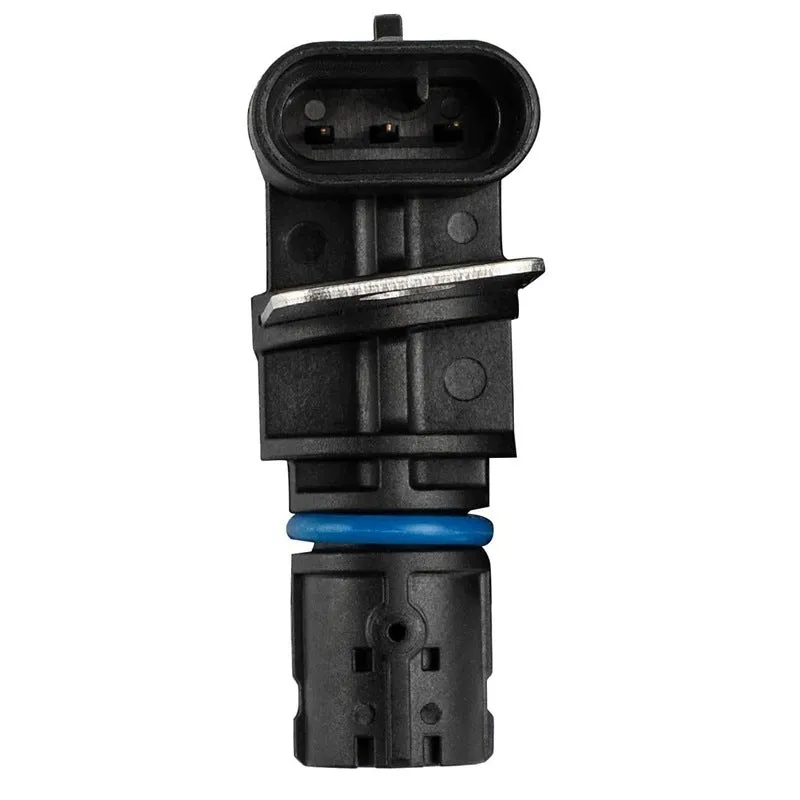
This sensor is a critical component in modern engine management systems. Its use is specific to the vehicles for which it is designed, and its placement is determined by the original engine layout.
Event or Professional Use
For professional mechanics and technicians, this OE-numbered sensor provides a reliable replacement part for repair jobs where a diagnostic trouble code (DTC) related to the crankshaft position sensor circuit has been identified. It is used to address customer complaints regarding no-start conditions, intermittent stalling, or misfires traced back to a faulty timing signal. The known dimensions assist in planning the repair and ensuring the new unit will physically fit the allocated space.
Everyday Home Use
For the knowledgeable DIY enthusiast working on their eligible Buick or Chevrolet, this sensor represents a key component in resolving persistent engine management issues. Replacing a worn-out sensor can restore smooth starting, stable idling, and optimal engine performance. The clear OE numbering helps ensure the correct part is sourced, reducing the risk of purchasing an incompatible component.
Benefits and Buying Value

The value of this component lies in its specificity and function. It solves a clear technical problem using the vehicle manufacturer's own part identification system.
Reuse and Low Maintenance
As an electronic sensor, it is not a serviceable or reusable item in the traditional sense. Its value is in its single-use application: replacing a failed unit to restore a vehicle system to full operation. Once installed correctly, it requires no routine maintenance, operating passively as part of the engine management system for its service life.
Why Choose This Product
This sensor is chosen primarily for its verified OE reference (12560228/213-354), which directly links it to the original design specifications for compatible Buick and Chevrolet models. This match provides confidence in fitment and function over a generic alternative. The provided dimensional data further aids in verification. It offers a targeted solution for a specific technical fault—the failure of the crankshaft position sensor—addressing the root cause of related drivability problems.
