
Walkie talkie handheld two-way radio with VHF/UHF dual-band 136-174MHz 400-520MHz frequency range, 5W RF output power, 128 channels, theoretical 5-10 km communication distance, lithium battery, and monitoring function for professional or recreational use


Walkie talkie handheld two-way radio with VHF/UHF dual-band 136-174MHz 400-520MHz frequency range, 5W RF output power, 128 channels, theoretical 5-10 km communication distance, lithium battery, and monitoring function for professional or recreational use
Dual-band VHF/UHF walkie talkie with 5W output power and theoretical 5-10 km communication range
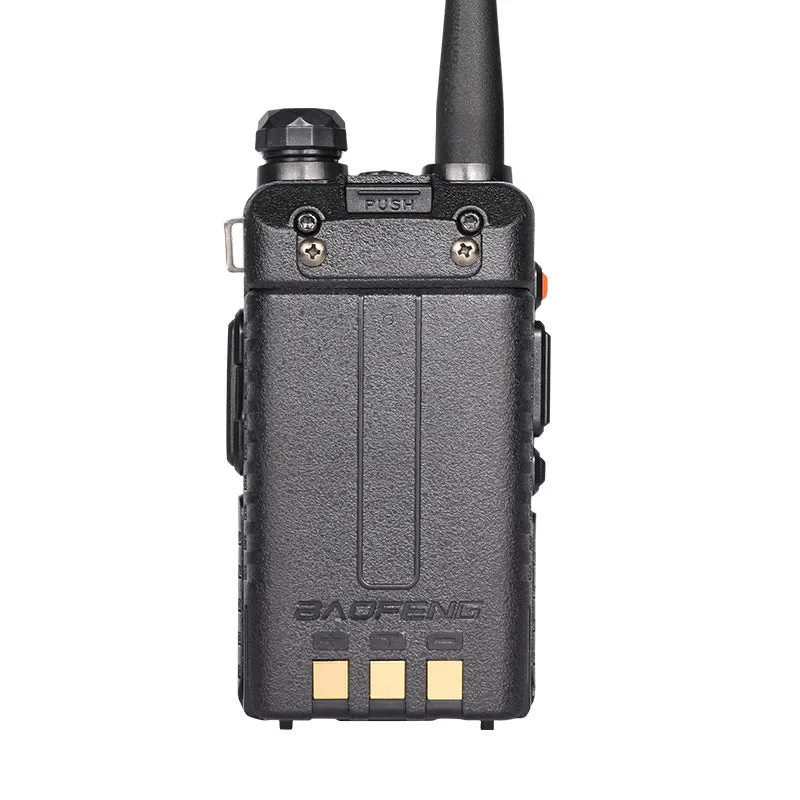
This handheld two-way radio operates across both VHF (136-174 MHz) and UHF (400-520 MHz) frequency bands, providing 128 programmable channels for flexible communication organisation. With a radio frequency output power of 5 watts and a theoretical communication distance of 5-10 kilometres, it offers a practical alternative to mobile phones in areas with limited network coverage or for coordinated team activities. The unit functions without requiring a SIM card, making it suitable for immediate deployment in various professional, recreational, or organisational settings where reliable short-to-medium range communication is needed.
Technical Specifications and Capabilities
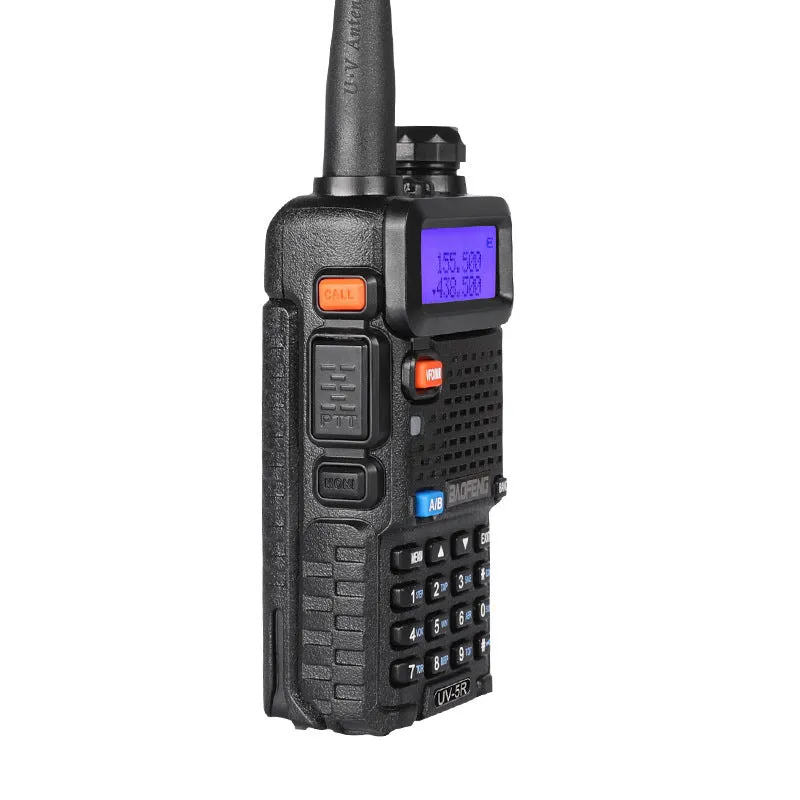
The walkie talkie's technical parameters define its operational scope and practical applications. Its dual-band frequency coverage allows users to select between VHF and UHF bands according to local regulations and environmental conditions, while the 128 channels provide ample capacity for multiple conversation groups or operational teams.
Frequency Range and Channel Capacity
The radio covers VHF frequencies from 136 to 174 MHz and UHF frequencies from 400 to 520 MHz, offering compatibility with various communication standards and licence-free bands where permitted. The 128 programmable channels allow different teams or functions to be allocated dedicated frequencies, reducing cross-talk and improving communication efficiency in multi-group scenarios. This channel capacity supports complex operational structures in event management, security coordination, or outdoor recreational activities where multiple simultaneous conversations are required.
Power Output and Communication Range
With a 5-watt RF output power, this walkie talkie provides sufficient transmission strength for the specified theoretical communication distance of 5-10 kilometres under ideal conditions. This range makes it suitable for coverage across moderate-sized sites, outdoor recreational areas, or between buildings in industrial or commercial settings. The monitoring function enables users to check channel activity before transmitting, helping to avoid interference with ongoing communications on the same frequency.
Electrical and Battery Specifications
The unit operates on a 7.4V lithium battery system, which provides the stated theoretical battery life of up to 2500 hours under specified conditions. This voltage supports the radio's 5W output power while maintaining the compact dimensions of 110 x 58 x 32 mm (excluding antenna). Frequency stability is maintained at ±5 parts per million (ppm), ensuring consistent channel accuracy during operation.
Practical Applications and Usage Scenarios
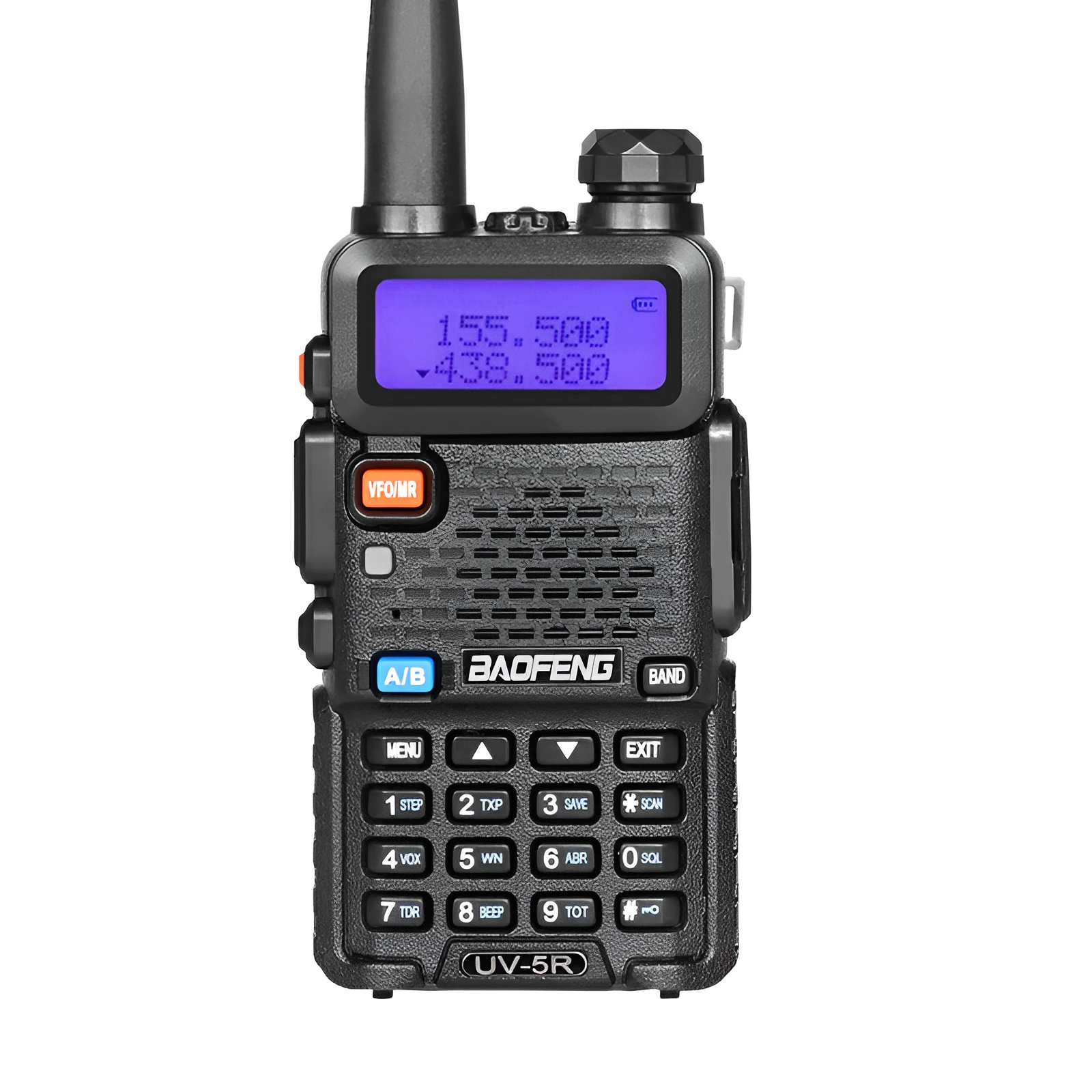
The walkie talkie's technical features translate to specific practical benefits in various communication scenarios. Its SIM-card-free operation and dual-band capability make it adaptable to different regulatory environments and user requirements, from licensed professional use to licence-free recreational applications where permitted.
Professional and Event Coordination
For event management, security teams, or site coordination, the 128 channels allow different functional groups—such as medical, logistics, security, and production—to maintain separate communication streams. The theoretical 5-10 km range covers most medium-sized venues, while the monitoring function helps coordinate handovers between teams using shared channels. The compact dimensions facilitate carrying in pockets or belt clips during extended operational periods.
Outdoor Recreation and Group Activities
In outdoor settings like hiking, camping, or skiing where mobile coverage may be unreliable, this walkie talkie provides a dedicated communication method between group members. The lithium battery's theoretical 2500-hour life supports extended trips without frequent recharging, assuming appropriate usage patterns. The dual-band capability allows selection of frequencies with better penetration through vegetation or around terrain obstacles in specific environments.
Operational Considerations and Value

Understanding the walkie talkie's capabilities within the context of its specifications helps determine its appropriate applications and limitations. The theoretical nature of some parameters means actual performance will vary with environmental conditions, antenna configuration, and regulatory restrictions.
Range Realities and Environmental Factors
The stated 5-10 kilometre communication distance represents theoretical maximum range under ideal line-of-sight conditions with minimal interference. In practical use, obstacles like buildings, terrain, vegetation, or weather conditions will reduce effective range. The 5W output power provides a reasonable balance between transmission strength and battery consumption, but users should consider their specific environment when planning communication systems based on these specifications.
Regulatory Compliance and Frequency Selection
Before use, verify which frequencies within the 136-174 MHz and 400-520 MHz ranges are permitted for your intended application in your location. Different jurisdictions have varying allocations for licence-free, licensed, or professional two-way radio use. The walkie talkie's dual-band capability offers flexibility, but responsibility for compliant frequency selection rests with the user according to local regulations.
